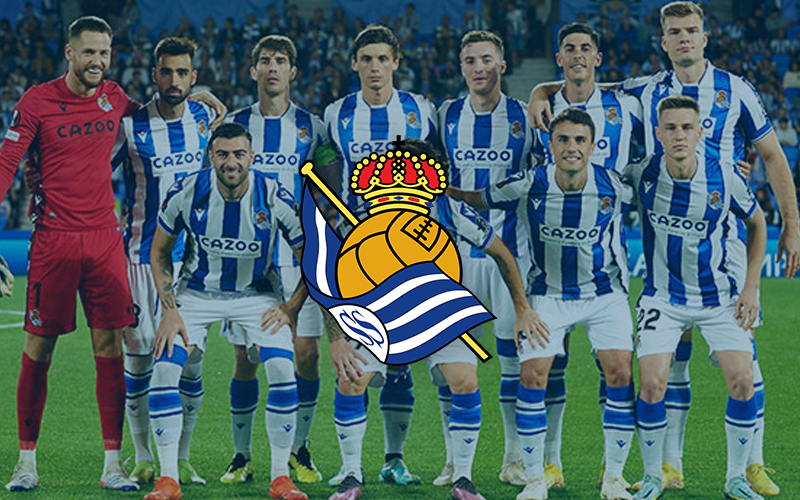
Real Sociedad FC is one of Spain’s most respected football institutions, known for its strong regional identity, commitment to youth development, and competitive presence in La Liga. Based in San Sebastián, the club represents the cultural and sporting pride of the Basque Country while maintaining a tradition of attractive football and professionalism. Over more than a century, Real Sociedad has built a legacy defined by resilience, talent production, and memorable domestic and European achievements.
Foundation and Early Years
Real Sociedad de Fútbol was founded in 1909 in the coastal city of San Sebastián. The club quickly established itself as a competitive force in regional competitions and became one of the founding members of La Liga in 1929.
During its early years, Real Sociedad earned respect through organization, discipline, and technical ability. The club’s close connection to the Basque region shaped its identity and playing philosophy from the very beginning.
Visit jun88 com the betting sports
Rise in Spanish Football
Throughout the mid-20th century, Real Sociedad consistently competed in Spain’s top division. While not always among the title favorites, the club built a reputation for stability and competitiveness.
The late 1970s and early 1980s marked a golden era for Real Sociedad FC. The club won back-to-back La Liga titles in the 1980–81 and 1981–82 seasons, achieving historic success against traditional Spanish giants. These triumphs remain among the most celebrated moments in the club’s history.
Domestic Success and Achievements
Real Sociedad FC has claimed multiple domestic honors, including La Liga titles and Copa del Rey victories. The club’s ability to challenge dominant teams while operating with relatively modest resources highlights its strong sporting management.
In recent years, Real Sociedad added another major trophy by winning the Copa del Rey, reinforcing its status as a serious competitor in Spanish football. The club regularly finishes in European qualification positions, maintaining a consistent presence in top-level competition.
European Competitions and International Reputation
Real Sociedad has participated extensively in European tournaments, including the UEFA Champions League and UEFA Europa League. The club has faced many of Europe’s elite teams, gaining valuable experience and international recognition.
European campaigns have helped elevate the club’s global profile while providing young players with high-level competitive exposure. Real Sociedad’s disciplined approach and tactical organization have often made it a difficult opponent on the continental stage.
Stadium and Fan Culture
Real Sociedad plays its home matches at the Reale Arena, formerly known as Anoeta Stadium. Located in San Sebastián, the modern stadium provides an excellent matchday experience and reflects the club’s professional ambitions.
The club’s supporters are known for their loyalty, respect for tradition, and deep emotional connection to the team. Matchdays are characterized by strong community involvement and a family-oriented atmosphere, creating one of La Liga’s most welcoming football environments.
Youth Development and Club Philosophy
Youth development lies at the heart of Real Sociedad FC’s identity. The club’s academy has produced numerous high-quality players who have gone on to succeed in La Liga and international football.
Real Sociedad emphasizes technical skill, tactical intelligence, and mental discipline. The club historically favored players from the Basque region, reinforcing its cultural roots, though its recruitment approach has evolved to remain competitive.
This balanced philosophy allows Real Sociedad to combine homegrown talent with strategic signings, ensuring long-term sustainability.
Notable Players and Managers
Over the decades, Real Sociedad FC has been home to many influential players and managers. Legends such as Xabi Alonso, Antoine Griezmann, and Mikel Oyarzabal have played key roles in the club’s modern identity.
These players exemplify the club’s commitment to technical excellence and professionalism. Real Sociedad has also benefited from coaches who prioritize structured play, team cohesion, and player development.
Rivalries and Regional Significance
The rivalry between Real Sociedad and Athletic Club Bilbao, known as the Basque Derby, is one of Spain’s most culturally significant fixtures. This rivalry reflects regional pride, tradition, and competitive respect rather than hostility.
Matches between the two clubs draw national attention and showcase the strength of Basque football. Real Sociedad’s role in representing San Sebastián and the surrounding region adds to its cultural importance.
Modern Era and Sporting Ambitions
In the modern era, Real Sociedad FC continues to build a competitive squad capable of challenging Spain’s elite. The club consistently qualifies for European competitions and maintains financial stability through smart management.
Recent seasons have highlighted Real Sociedad’s tactical maturity, depth of squad, and ability to compete across multiple competitions. The club’s long-term strategy focuses on sustainable success rather than short-term risk.
Legacy and Future Outlook
Real Sociedad FC stands as a model of regional identity, youth development, and competitive ambition in modern football. The club’s history demonstrates that success can be achieved through patience, structure, and community values.
With a strong academy, loyal fanbase, and clear sporting vision, Real Sociedad is well positioned to remain a prominent force in Spanish and European football.
Conclusion
Real Sociedad FC embodies the spirit of Basque football through tradition, discipline, and ambition. From historic La Liga triumphs to modern European campaigns, the club continues to honor its heritage while adapting to the demands of contemporary football. As Real Sociedad looks to the future, its commitment to excellence ensures its place among Spain’s most respected football institutions.